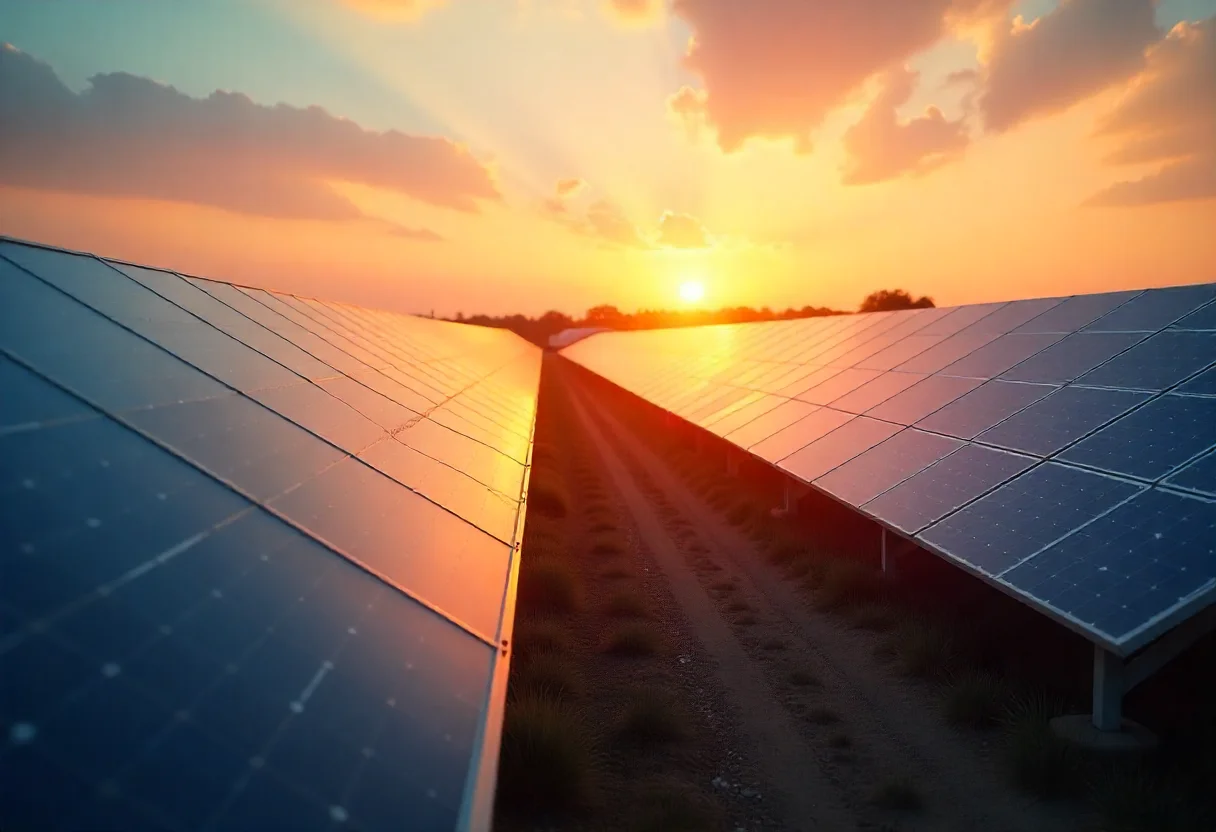
The Future of Renewable Energy in India: Why Go Solar Now?
India, with its vast energy needs and growing population, is at the forefront of the global transition to renewable energy. The country’s push towards clean energy is not just a necessity but a commitment to a more sustainable future. As part of this transition, solar energy has emerged as one of the most viable, affordable, and sustainable solutions for India’s growing power demand. In this blog, we’ll explore the future of renewable energy in India and why going solar now is a smart decision for both individuals and businesses.
1. India’s Solar Energy Potential
India is blessed with abundant sunlight throughout the year, making it one of the most ideal locations for solar energy production. With over 300 sunny days annually, the country has one of the highest solar energy potentials in the world. The Indian government has set an ambitious target of generating 100 GW of solar power by 2022, and this momentum is only accelerating as solar becomes a key component of India’s energy policy.
Why Solar in India?
- High Solar Irradiance: India receives about 4-7 kWh/m²/day of solar energy, making it highly suited for large-scale solar power generation.
- Wide geographical coverage: Solar farms can be established across rural, urban, and remote areas, helping electrify the entire nation.
Given these favorable conditions, solar power is set to play a critical role in meeting India’s future energy demand while also reducing reliance on fossil fuels.
2. Government Initiatives and Policy Support
The Indian government has recognized the importance of renewable energy and has rolled out several policies and initiatives to accelerate the adoption of solar power. The National Solar Mission aims to promote the use of solar energy across the country, offering a range of incentives to both individuals and businesses to switch to solar energy.
Key Government Incentives Include:
- Solar subsidies: To reduce the upfront costs of solar panel installation for both residential and commercial setups.
- Net metering: Enabling solar power producers to sell excess electricity back to the grid, further incentivizing solar energy use.
- Tax rebates: Incentives such as 50% tax rebates for solar systems under government schemes like the Pradhan Mantri Kisan Urja Suraksha Evam Utthaan Mahabhiyan (PM KUSUM).
These government-backed policies provide a financial safety net for individuals and businesses looking to invest in solar energy, making now the perfect time to go solar.
3. Solar Energy as a Solution to Power Shortages
India continues to face power shortages, particularly in rural and semi-urban areas. The growing demand for electricity from households, industries, and agriculture places immense pressure on the national grid, often leading to frequent power cuts, voltage fluctuations, and inconsistent power supply.
How Solar Solves Power Issues:
- Decentralized energy production: Solar panels can be installed on rooftops or in open spaces, allowing for local power generation. This decentralization helps reduce the strain on the national grid and ensures a more stable power supply.
- Energy independence: By investing in solar, both residential and commercial establishments can reduce their dependence on the grid, ensuring continuous energy supply, even during outages.
Solar energy not only reduces power shortages but also provides sustainable energy access in rural areas, where grid connectivity is often limited or absent.
4. Affordable and Decreasing Cost of Solar Technology
One of the biggest obstacles to the widespread adoption of solar energy in the past was the high upfront cost of installation. However, in recent years, the cost of solar panels has dropped significantly due to advancements in technology, mass production, and government subsidies. The cost of installing solar systems has become more affordable, and the return on investment (ROI) is now much faster.
Why Solar is More Affordable Now:
- Declining solar panel prices: The price of solar panels has dropped by more than 70% in the last decade.
- Low maintenance costs: Once installed, solar systems have minimal maintenance costs, ensuring long-term affordability.
- Government incentives: Policies like the GST reduction on solar products and subsidized installation costs further lower the barriers to entry for solar adoption.
The falling cost of solar energy makes it a highly cost-effective investment, especially when compared to traditional energy sources like coal, oil, and natural gas.
5. The Environmental Impact: A Cleaner Future
As India continues to urbanize, the environmental impact of increasing energy consumption cannot be ignored. Traditional power generation from coal-fired plants is one of the largest sources of carbon emissions in India, contributing significantly to air pollution and global warming.
Why Solar is the Eco-Friendly Choice:
- Zero emissions: Solar energy is a clean, renewable source of power, producing no harmful emissions or air pollutants during energy production.
- Reduction in carbon footprint: By switching to solar, households and businesses can reduce their carbon emissions by up to 3-4 tons per year.
- Sustainable energy: Solar energy is inexhaustible, making it a truly sustainable solution for powering homes and industries without depleting natural resources.
Going solar is not just about saving money—it’s about creating a cleaner, greener future for generations to come.
6. Solar Energy for Businesses: Boosting Profitability
For businesses, the benefits of switching to solar energy go beyond environmental consciousness—they can boost profitability by reducing overhead costs. Many industries in India are energy-intensive, and the rising costs of electricity can eat into profit margins. By adopting solar energy, businesses can reduce operational costs, improve their brand image, and gain access to government incentives.
How Solar Benefits Businesses:
- Energy savings: Businesses can save significantly on their energy bills, resulting in improved profitability.
- Green credentials: Going solar can help businesses attract eco-conscious customers and improve their reputation as environmentally responsible brands.
- Long-term ROI: With a fast payback period and minimal maintenance costs, businesses can achieve a high return on investment in just a few years.
The business case for solar energy in India is incredibly strong, offering both financial and environmental rewards.
Conclusion: Why Go Solar Now?
The future of renewable energy in India is bright, and solar power is at the heart of this transformation. With a combination of abundant sunlight, government support, affordable solar technology, and the need for a clean energy solution, now is the best time to make the switch to solar.
Whether you’re a homeowner, a business owner, or part of the agricultural sector, adopting solar energy will not only reduce your energy bills but will also contribute to a sustainable, eco-friendly future.
Aarkonic Solar is here to help you take the first step towards clean, renewable energy. Contact us today to learn more about how we can help you go solar and power your future sustainably.