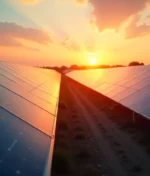
Solar Solutions for Farms Powering Agriculture Sustainably
Agriculture is the backbone of many economies worldwide, and farmers play a crucial role in feeding the world’s growing population. However, farming comes with its challenges—especially when it comes to energy costs. With increasing electricity prices and the environmental impact of conventional power sources, farmers are increasingly turning to solar energy as a sustainable, cost-effective solution. In this blog post, we explore how solar energy can transform agricultural operations and power farms sustainably.
1. Reducing Energy Costs for Farmers
For farmers, energy costs can account for a significant portion of their operational expenses, especially when using energy-intensive systems for irrigation, water pumping, and lighting. By switching to solar energy, farmers can drastically reduce their electricity bills, enabling them to reallocate funds towards improving their agricultural practices.
How Solar Helps:
- Solar-powered irrigation systems can eliminate high electricity costs associated with pumping water.
- Solar water pumps are highly efficient, providing a reliable and cost-effective solution for rural areas where grid power may be unreliable.
- Solar-powered lighting in barns, greenhouses, and storage areas can also save on electricity costs.
By harnessing the power of the sun, farmers can reduce or eliminate their dependency on the grid and lower their monthly energy bills.
2. Sustainable and Renewable Energy Source
The agricultural industry has a significant environmental impact, with farming activities contributing to carbon emissions. With the global push towards sustainability, solar energy offers farmers a clean, renewable energy source that helps them reduce their carbon footprint and become more eco-friendly.
Why Solar is Eco-Friendly:
- No emissions: Solar panels generate energy without emitting harmful gases or pollutants, helping to reduce environmental impact.
- Sustainability: Solar energy is renewable, meaning it will continue to provide power for decades, unlike fossil fuels which are finite resources.
- Water savings: Unlike traditional methods of energy generation, solar power doesn’t consume water, helping to preserve valuable water resources on the farm.
By switching to solar energy, farmers can reduce their environmental impact and contribute to a more sustainable future for agriculture.
3. Improved Efficiency with Solar-Powered Irrigation Systems
Irrigation is one of the most energy-intensive aspects of farming, particularly in dry or drought-prone regions. Traditional irrigation systems often rely on electric or diesel-powered pumps, which can be costly to operate and maintain. Solar-powered irrigation systems provide an efficient, low-maintenance solution for farmers to water their crops, even in remote areas without access to a stable grid connection.
Benefits of Solar-Powered Irrigation:
- Cost savings: By using the sun to power irrigation pumps, farmers can cut down on expensive electricity bills or fuel costs.
- Energy independence: Solar irrigation systems operate independently of the grid, offering farmers a more reliable and consistent energy source, especially during power outages.
- Remote locations: Solar-powered systems are ideal for farms located in rural or off-grid areas, where access to the electricity grid may be limited or unavailable.
Solar irrigation not only saves money but also improves the reliability and efficiency of water use on the farm, which is essential for maintaining crop yields.
4. Solar Solutions for Greenhouses and Controlled Environment Agriculture
Many farmers are adopting controlled environment agriculture (CEA) methods such as greenhouses to grow crops in a more controlled setting. These facilities often require consistent lighting, heating, and ventilation, which can result in high energy costs. Solar power can offset these costs, helping farmers run greenhouses more efficiently and sustainably.
How Solar Helps Greenhouses:
- Solar-powered lighting ensures crops get the right amount of light for optimal growth, even during cloudy days or winter months.
- Solar water heaters can provide the necessary warmth to maintain ideal temperatures for plant growth without relying on fossil fuel-based heating systems.
- Solar ventilation fans can regulate airflow, preventing heat buildup and providing fresh air for plants.
With solar solutions, farmers can create a more energy-efficient and self-sufficient greenhouse environment, leading to higher yields and lower operational costs.
5. Energy Storage and Grid Independence
One of the biggest advantages of using solar energy on farms is the ability to store excess energy for later use. Energy storage solutions, such as solar batteries, enable farmers to store power generated during the day and use it at night or during cloudy weather.
Advantages of Solar Energy Storage:
- Energy independence: With energy storage, farms can become less reliant on the grid, ensuring they have power even during grid failures or outages.
- Cost savings: Storing excess energy for use at night or during peak hours can help farmers avoid high utility costs.
- Backup power: Solar batteries provide a reliable backup for critical systems such as irrigation, lighting, and ventilation.
Solar energy storage provides the flexibility to use solar power whenever it’s needed, making farms more resilient and self-sufficient.
6. Government Incentives and Financial Support
Many governments offer subsidies, rebates, and incentive programs to help farmers transition to solar energy. These financial incentives can significantly reduce the upfront costs of solar system installation and shorten the payback period.
Incentives for Farmers Include:
- Subsidized solar systems for agricultural use, making it more affordable for farmers to go solar.
- Tax credits that cover a portion of the installation costs, reducing the overall expense.
- Grants and funding for solar projects in rural or underserved areas to promote sustainable farming practices.
These incentives make solar energy more accessible and affordable, helping farmers embrace renewable energy without the burden of high initial costs.
Conclusion
Solar energy offers a wide range of benefits for farmers—from lowering energy costs and improving operational efficiency to contributing to a greener, more sustainable future. Whether it’s powering irrigation systems, running greenhouses, or providing backup power for critical operations, solar solutions are helping farmers reduce their carbon footprint and increase profitability.
With financial incentives, government support, and the long-term savings that come with solar power, now is the perfect time for farmers to invest in solar energy and power their operations sustainably.
Contact Aarkonic Solar today to learn more about how we can help you power your farm with clean, renewable energy and reduce your operational costs. Together, we can build a more sustainable future for agriculture.