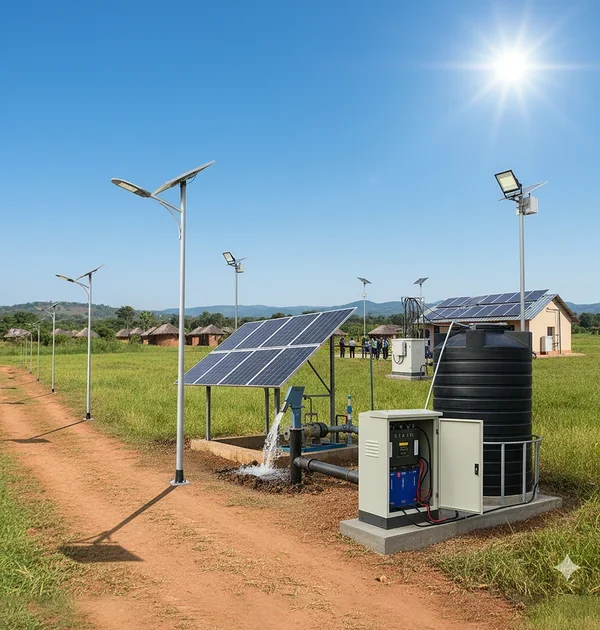
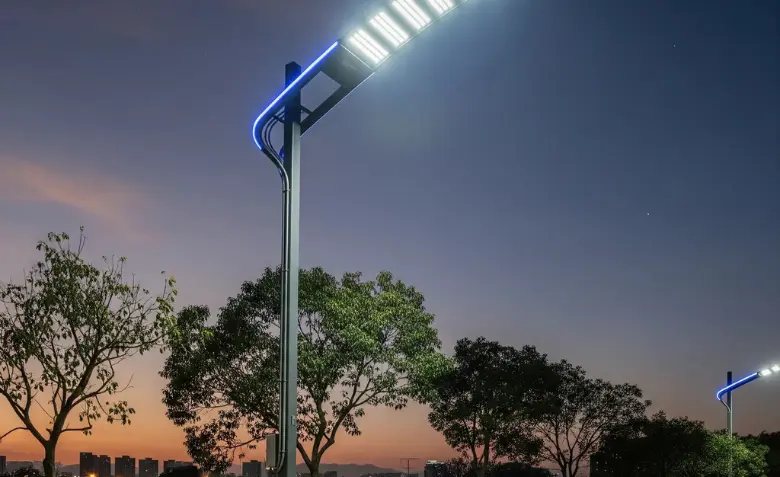
LED street lights are quickly replacing older technologies like high-pressure sodium (HPS) and metal halide (MH) lamps—and for good reason. They not only brighten up roads and public spaces more effectively but also help cities and communities save energy, cut costs, and move toward a greener future.
Here are some of the key benefits of switching to LED street lights: Energy Efficiency LEDs consume far less power than conventional lamps, often reducing energy use by 50–70% or more. This means lower electricity bills and a significant cut in carbon emissions, making them both budget-friendly and eco-friendly.
PLANNING & STRATEGY
Lorem Ipsum is simply dummy text of the printing and typesetting content.
Longer Lifespan On average, LED street lights last between 50,000 to 100,000 hours—three to five times longer than traditional lamps. This extended life reduces the hassle and expense of frequent replacements and ongoing maintenance.
Instant Lighting & Dimming Control Unlike older lights that take time to warm up, LEDs switch on instantly at full brightness. They can also be dimmed or adjusted based on traffic flow or time of night, helping conserve even more energy when full brightness isn’t needed.
How much energy can LED street lights actually save?
LED street lights typically use 50–70% less energy compared to traditional lamps like sodium or metal halide. In many cases, the savings can be even higher when combined with smart dimming controls.
Are LED street lights suitable for all weather conditions?
Yes. LED street lights are built to withstand harsh outdoor conditions, including extreme heat, cold, rain, humidity, and even vibrations. Their durability makes them ideal for both urban and rural environments.
Can LED street lights be used with smart city systems?
Absolutely. LED street lights can be integrated with smart lighting technologies for features like remote monitoring, adaptive brightness, motion sensors, and energy management—making them a great choice for modern, connected cities.