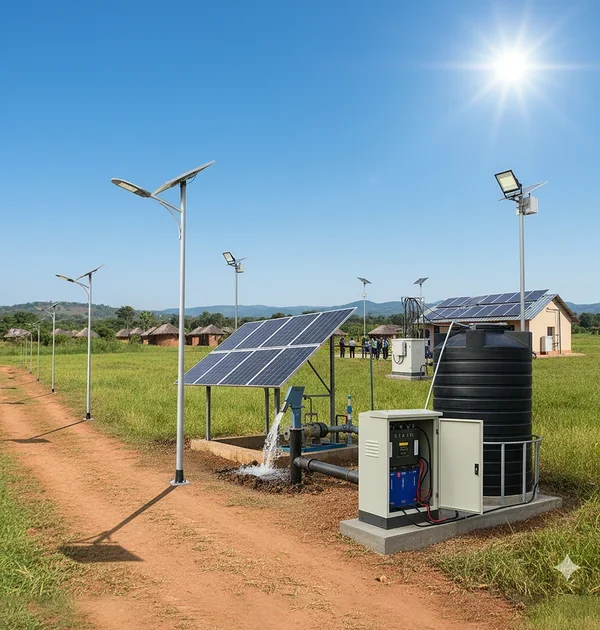
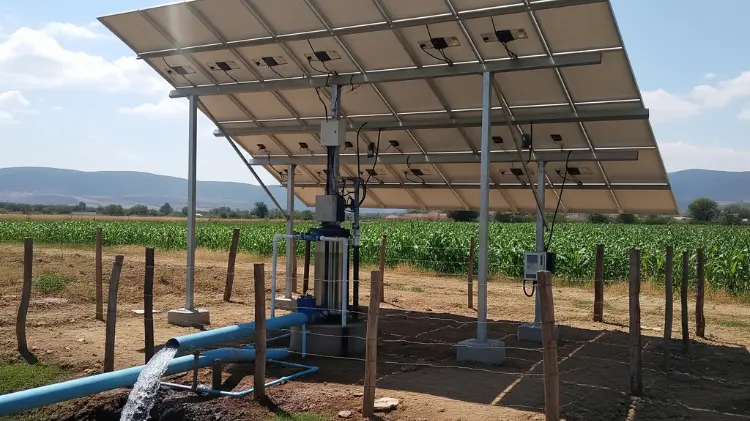
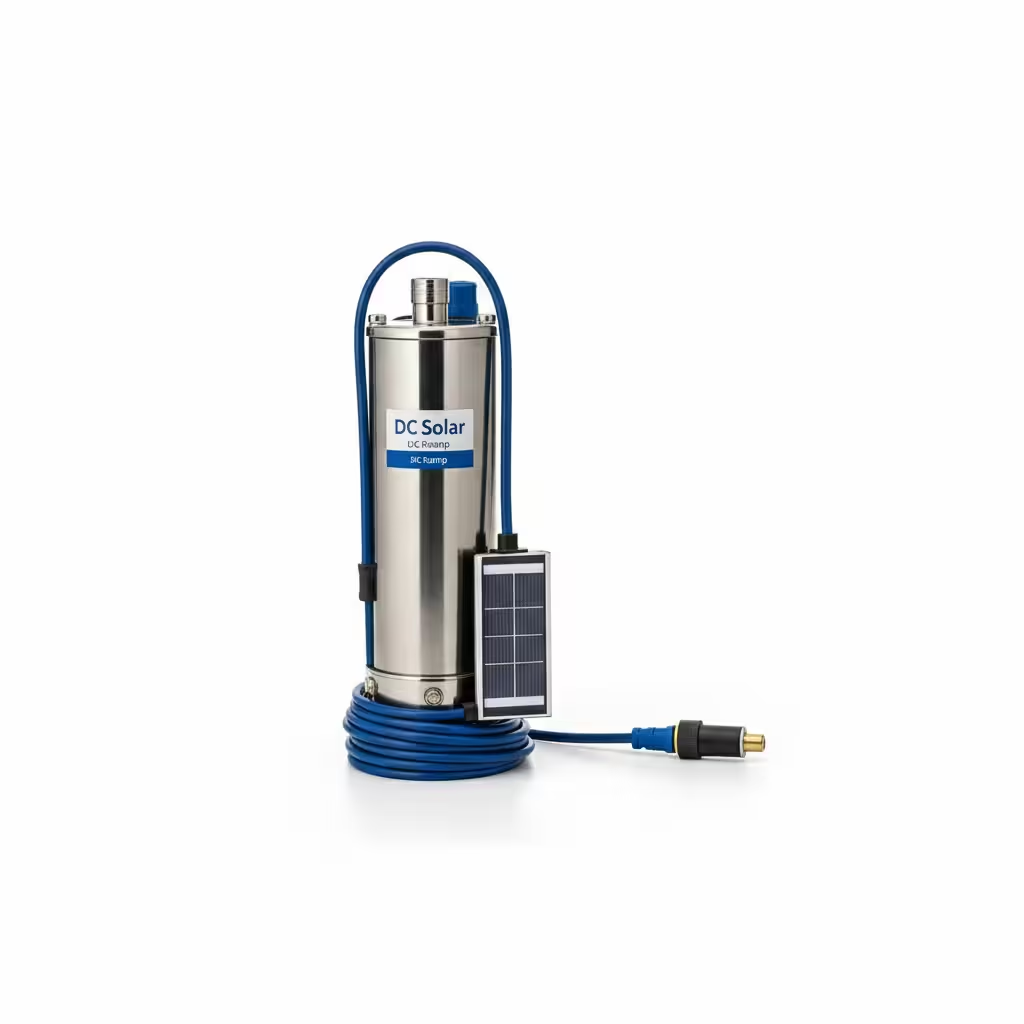
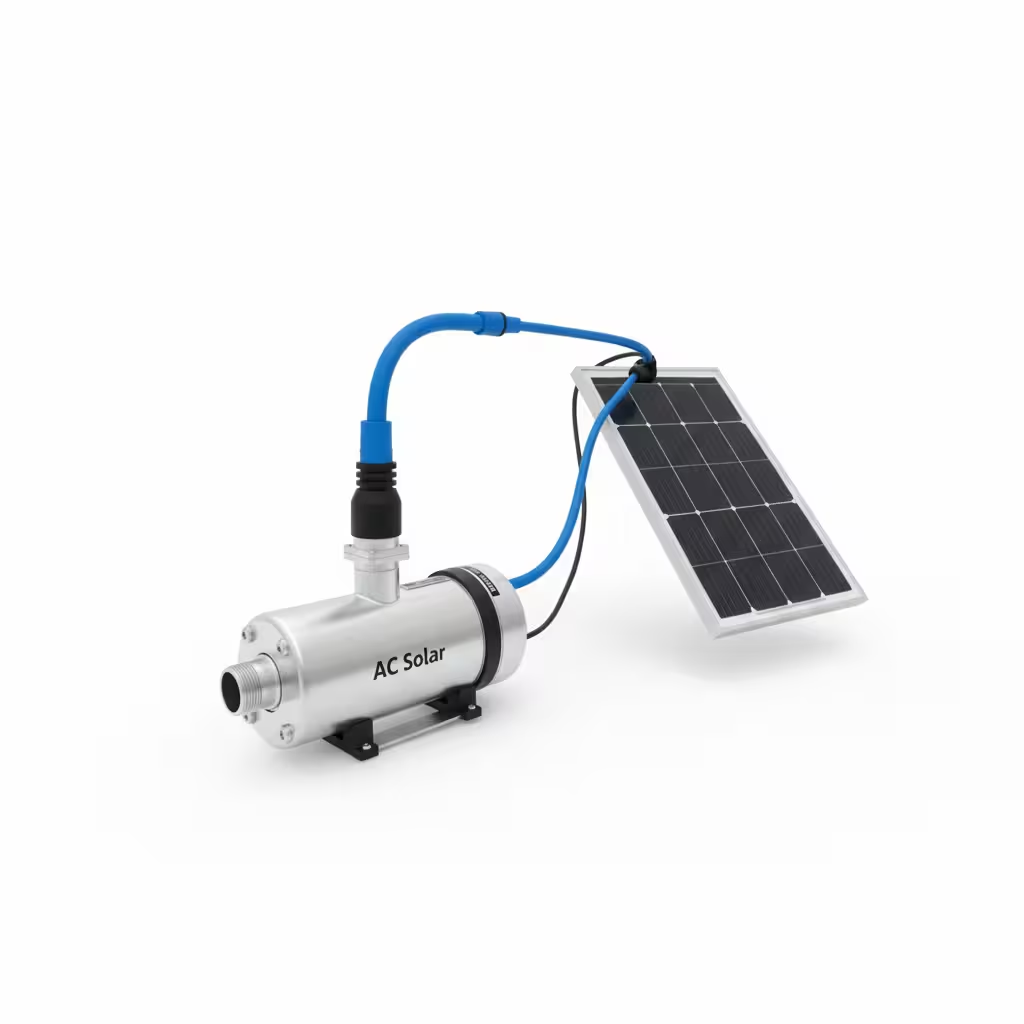
Solar water pumps are innovative systems that use the power of the sun to move water from sources like wells, boreholes, or reservoirs into storage tanks or directly to where it’s needed. They are quickly becoming a practical, eco-friendly alternative to traditional pumps that depend on electricity or diesel.
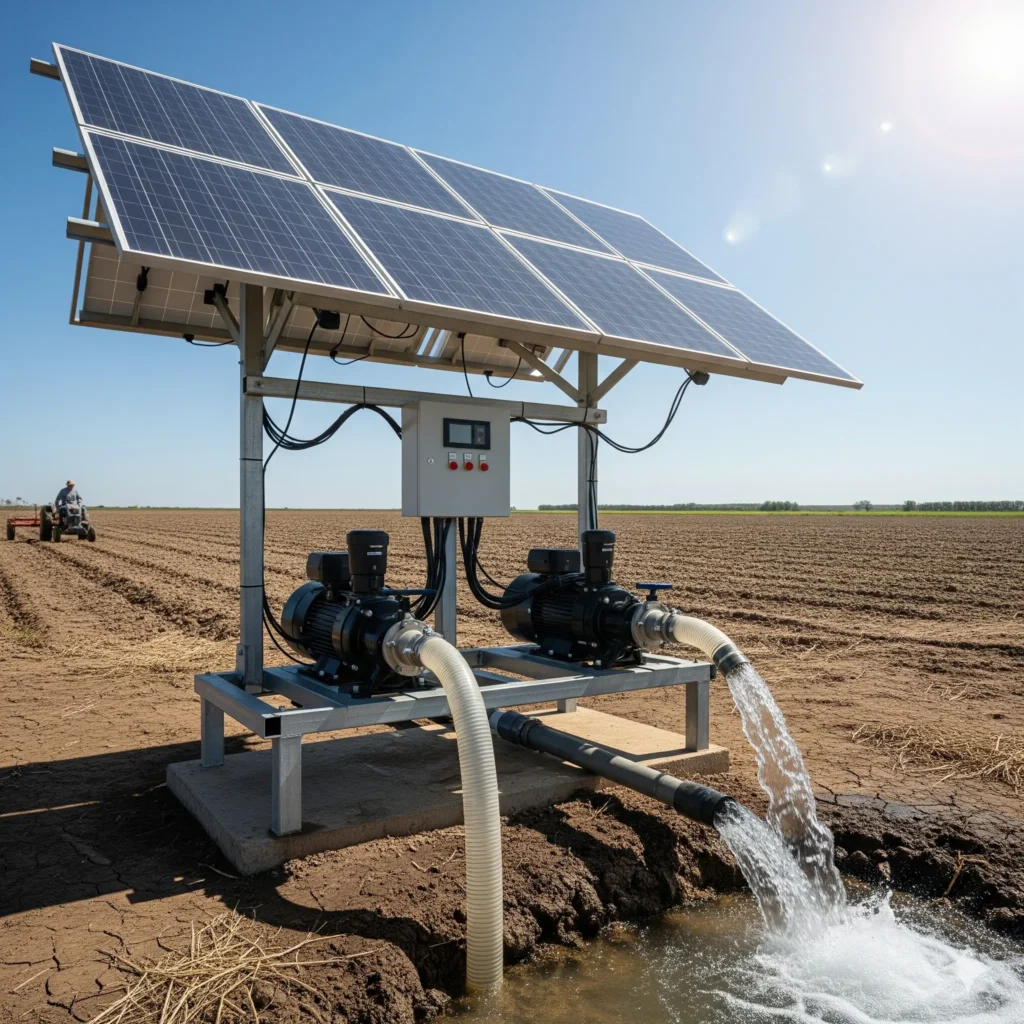
A typical solar water pump setup includes three main parts – solar panels, a controller, and the pump itself. The solar panels capture sunlight and convert it into electricity. This energy then passes through the controller, which not only regulates the pump’s operation but also manages the flow of power, ensuring smooth and efficient performance.
PLANNING & STRATEGY
Lorem Ipsum is simply dummy text of the printing and typesetting content.
The biggest benefit of solar pumps lies in their cost-effectiveness and sustainability. Since they run entirely on solar energy, there’s no dependency on expensive fuels or unstable grid power. This means lower running costs, fewer carbon emissions, and peace of mind even during power cuts. Plus, with fewer moving parts, maintenance is minimal compared to conventional pumping systems.
Beyond savings, solar water pumps bring reliability and versatility. Whether in remote villages, farmlands, or off-grid areas, they provide a steady water supply for irrigation, livestock, and household use. Farmers and communities especially value them for their ability to keep running in areas where electricity is unreliable or unavailable.
How do solar water pumps work?
Solar water pumps use sunlight to generate electricity through solar panels. This electricity powers the pump via a controller, which regulates the system for smooth operation. The pump then lifts water from a source—like a well, borehole, or reservoir—into a storage tank or directly into a field.
Can solar water pumps work during cloudy days or at night?
Yes, they can still operate on cloudy days, though at reduced efficiency since less sunlight is available. To ensure continuous supply, solar pumps can be paired with battery storage, allowing the system to run even at night.
What are the main advantages of using a solar water pump?
The biggest benefits include low operating costs, minimal maintenance, and independence from grid electricity or diesel fuel. They’re also eco-friendly, reduce carbon emissions, and are especially reliable in remote or off-grid areas.